
Views: 0 Author: Site Editor Publish Time: 2025-11-21 Origin: Site

In the modern textile industry, consumers and manufacturers alike demand fabrics that are durable, comfortable, and flexible. From activewear and casual clothing to industrial and technical textiles, performance and longevity are critical factors in fabric design. One material that has gained considerable attention in recent years is Polyester Elastic Fiber, known for its strength, stretchability, and resistance to wear. However, like any material, traditional polyester elastic fiber has limitations in terms of softness, comfort, and recovery after repeated stretching.
To address these challenges, SSY (Spandex-like Soft Yarn) has emerged as a valuable innovation. SSY combines the elasticity and resilience of spandex with a soft, yarn-like texture, allowing it to enhance fabrics without sacrificing performance. When blended with polyester elastic fiber, SSY can significantly improve durability, flexibility, comfort, and overall textile performance.
This article explores in detail the role of SSY in enhancing polyester elastic fiber, explaining how it works, the advantages it offers, and its applications across various textile sectors.
Before examining the role of SSY, it is essential to understand what polyester elastic fiber is and why it is widely used.
Polyester elastic fiber is a modified form of polyester engineered to offer stretchability and recovery, unlike regular polyester, which is strong but relatively rigid. It is commonly blended with other fibers, including cotton, nylon, and spandex, to create fabrics that combine durability, shape retention, and comfort.
Its key characteristics include:
Tensile Strength: Polyester elastic fiber is strong, allowing fabrics to resist tearing and wear.
Stretch and Recovery: It can stretch under stress and return to its original shape.
Abrasion Resistance: Ideal for garments and textiles subjected to friction.
Moisture Resistance: Quick-drying and resistant to water absorption, enhancing comfort.
Despite these advantages, polyester elastic fiber can sometimes feel stiff or lack softness, particularly in garments that require prolonged contact with the skin. It may also experience reduced elasticity after extended use or multiple wash cycles, which is where SSY can make a significant difference.
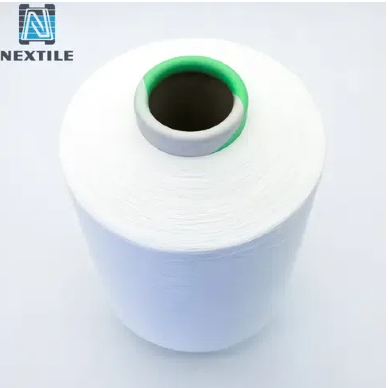
SSY, or Spandex-like Soft Yarn, is a type of fiber designed to mimic the properties of spandex while offering a soft, smooth texture similar to natural yarns. It combines elasticity, resilience, and softness in a single fiber, making it suitable for blending with other materials.
SSY has several unique properties:
High Elasticity: SSY stretches easily and returns to its original shape.
Soft Hand Feel: Unlike standard spandex, which can feel tight or synthetic, SSY provides a smooth and comfortable texture.
Durability: The fiber resists breaking and maintains performance even after repeated stretching.
Blend Compatibility: SSY blends easily with polyester, cotton, or other synthetic fibers, enhancing the overall performance of fabrics.
By combining SSY with polyester elastic fiber, manufacturers can produce fabrics that retain their durability and strength while also improving comfort and flexibility, meeting modern demands for high-performance textiles.
Durability is one of the most important performance metrics for polyester elastic fiber, particularly in applications like activewear, outdoor clothing, and industrial textiles. SSY contributes to durability in several ways:
Blending SSY with polyester elastic fiber creates a more resilient fabric structure. SSY’s elasticity reduces tension stress on individual polyester fibers, minimizing the risk of fiber breakage or pilling over time.
Polyester elastic fibers are already resistant to wear, but fabrics blended with SSY show enhanced resistance to friction. This is particularly beneficial for garments like leggings, sportswear, and fitted clothing, which undergo constant rubbing during physical activity.
Repeated stretching can weaken polyester fibers, leading to sagging or loss of elasticity. SSY mitigates this issue by sharing the stress load across fibers, maintaining the fabric’s shape and performance over time.
Durability also includes performance under repeated washing. Fabrics containing SSY retain elasticity and strength better than pure polyester elastic fibers, reducing wear, shrinkage, and deformation after multiple laundering cycles.
Flexibility, or the ability of fabric to stretch and move with the body, is critical for comfort and functionality. SSY enhances the flexibility of polyester elastic fiber in several key ways:
SSY allows fabrics to stretch further without feeling tight or restrictive. This is particularly important in activewear, yoga pants, and fitted clothing, where freedom of movement is essential.
The elasticity of SSY ensures that fabrics return to their original shape after stretching. This means that garments retain their fit and appearance, even after repeated wear, reducing sagging and bagging.
Polyester elastic fiber alone can sometimes feel stiff or rough. By incorporating SSY, fabrics gain a softer, smoother texture, making them more comfortable for direct contact with the skin.
SSY provides a balance between stretch and support. For example, in compression garments or athletic clothing, fabrics must stretch to fit the body while providing gentle support. SSY allows fabrics to achieve this balance effectively.
The combination of SSY and polyester elastic fiber has led to innovative fabric solutions across a variety of sectors:
Leggings, yoga pants, running shorts, and compression tops benefit from the stretch, recovery, and softness of SSY-blended polyester elastic fiber. These fabrics move with the body while maintaining their shape and appearance.
T-shirts, fitted jeans, and casual dresses are more comfortable and long-lasting when SSY is included in the fabric blend. Stretch recovery ensures garments retain their original fit even after repeated washing and wearing.
SSY’s soft texture and elasticity make it ideal for bras, underwear, and shapewear. These garments require fabrics that provide comfort, flexibility, and durability.
Fabrics used in protective clothing, industrial workwear, and uniforms benefit from the enhanced durability, elasticity, and wear resistance that SSY provides.
Bedding, cushions, and upholstery can incorporate SSY for improved elasticity and softness, making products more comfortable while extending their lifespan.
Blending SSY with polyester elastic fiber provides tangible benefits for both consumers and manufacturers:
For Consumers:
Comfortable, flexible fabrics that move with the body.
Long-lasting garments that maintain shape, elasticity, and appearance.
Soft textures suitable for direct skin contact.
For Manufacturers:
Ability to create high-performance fabrics for activewear, fashion, and technical textiles.
Reduced returns and complaints due to improved durability and fit.
Versatile material suitable for a range of blends and applications.
Like other synthetic fibers, polyester elastic fiber and SSY are petroleum-based and non-biodegradable. However, their durability and longevity help reduce the frequency of garment replacement, indirectly lowering environmental impact.
Efforts to improve sustainability include:
Recycled Polyester: Using post-consumer PET bottles or textile waste to create polyester fibers.
Eco-Friendly SSY Development: Innovations in low-impact production techniques for elastic fibers.
Blended Fabrics for Longevity: By extending the life of garments, SSY helps minimize waste.
These steps demonstrate that performance improvements do not have to come at the expense of sustainability.
The combination of SSY and polyester elastic fiber represents a high-performance solution that meets the demands of modern textiles. Looking ahead, several trends are likely to shape the development of these fabrics:
Smart Textiles Integration: SSY’s elasticity and softness make it suitable for wearable technology and performance monitoring fabrics.
Sustainability Innovations: Increased use of recycled and eco-friendly fibers in SSY-polyester blends.
Enhanced Comfort and Performance: Continued improvements in stretch, recovery, and softness to meet the needs of both fashion and functional textiles.
Customization for Specific Applications: SSY allows manufacturers to tailor fabrics for targeted uses, from high-intensity sportswear to soft, durable home textiles.
SSY (Spandex-like Soft Yarn) plays a crucial role in enhancing the durability and flexibility of polyester elastic fiber, addressing many of the limitations of traditional polyester. By providing improved stretch, recovery, softness, and wear resistance, SSY makes polyester elastic fiber suitable for a wide range of applications, from activewear and casual clothing to industrial and home textiles.
For consumers, this means garments that are more comfortable, longer-lasting, and better fitting. For manufacturers, it provides the ability to develop high-performance fabrics that meet modern demands for quality and functionality. By integrating SSY, polyester elastic fiber continues to evolve as a versatile, durable, and flexible material, shaping the future of high-performance textiles across multiple industries.


