
Views: 0 Author: Site Editor Publish Time: 2026-01-01 Origin: Site

In the modern textile industry, consumers and manufacturers alike are seeking fabrics that combine comfort, durability, and versatility. Traditional cotton has long been valued for its softness and breathability, while polyester is renowned for its strength, wrinkle resistance, and ease of care. By blending the characteristics of these two fibers, polyester cotton-like fabrics have emerged as a popular choice, offering the best of both worlds. These fabrics are designed to mimic the feel of cotton while providing the resilience and longevity of polyester, making them suitable for a wide range of applications, from clothing to home textiles.
Polyester cotton-like fabrics are sometimes also referred to as cotton-like polyester or PolyCotton, depending on the specific fiber blend and production method. Regardless of the terminology, the fundamental advantage is the ability to deliver softness, breathability, and comfort, without sacrificing the durability, wrinkle resistance, and easy maintenance that modern textiles require. This article explores the characteristics, advantages, and applications of polyester cotton-like fabrics, highlighting why they have become an essential material in contemporary textile production.
Polyester cotton-like fabrics are typically blended textiles that combine polyester fibers with cotton or are engineered to have the appearance, softness, and feel of cotton while being predominantly polyester. The goal is to replicate the natural texture of cotton, including its softness and drape, while taking advantage of polyester’s performance characteristics.
These fabrics are created using specialized spinning, weaving, and finishing techniques that enhance the cotton-like hand feel, ensure breathability, and maintain the strength and resilience inherent to polyester. Some fabrics may contain a small percentage of cotton blended with polyester, while others rely solely on advanced polyester fibers engineered to mimic cotton’s properties.
The versatility of polyester cotton-like fabrics allows manufacturers to tailor the fabric for different applications, balancing softness, stretch, durability, and cost according to the specific needs of clothing, home textiles, or technical fabrics.
One of the primary advantages of polyester cotton-like fabrics is their softness, which makes them comfortable to wear. While polyester alone can sometimes feel rigid or synthetic, cotton-like polyester fabrics are engineered to feel similar to natural cotton, providing a pleasant hand feel against the skin.
This quality is particularly important for garments worn close to the body, such as T-shirts, pajamas, casual shirts, and loungewear. The soft texture ensures comfort even during prolonged wear, while the fabric’s ability to maintain its shape over time adds to the overall user experience.
In home textiles, such as bedding, pillow covers, and curtains, softness contributes to a sense of luxury and comfort, creating fabrics that feel inviting and cozy without compromising durability.
Another significant benefit of polyester cotton-like fabrics is their durability. Unlike pure cotton, which can wear out or shrink after repeated washing, polyester fibers provide resistance to stretching, tearing, and abrasion.
By combining polyester with cotton or using cotton-like polyester fibers, fabrics can maintain their appearance, fit, and functionality for a much longer period. This durability makes these fabrics suitable for activewear, workwear, school uniforms, and high-traffic home textiles, where long-term performance is crucial.
Additionally, polyester cotton-like fabrics are generally resistant to pilling, ensuring that garments and textiles maintain a neat, smooth appearance even after repeated use. The blend’s durability also reduces the frequency of replacements, supporting sustainable consumption practices.
One of the main challenges with natural cotton is that it can shrink, wrinkle, or require ironing after washing. Polyester cotton-like fabrics address these issues by providing low-maintenance care while retaining cotton-like comfort.
These fabrics are typically machine washable, quick-drying, and wrinkle-resistant, making them ideal for busy households or professional environments where convenience is a priority. Garments and textiles made from polyester cotton-like fabrics require minimal effort to maintain, allowing users to enjoy the look and feel of cotton without the associated upkeep.
Although polyester is less breathable than cotton, polyester cotton-like fabrics are designed to enhance air circulation and moisture management, improving comfort for both clothing and home textiles. Fabrics can be engineered to wick moisture away from the skin, keeping the wearer dry and comfortable during physical activity or hot weather.
This property is particularly valuable for activewear, casual summer clothing, and bedding, where maintaining a dry and breathable environment enhances overall comfort. Advanced finishes and fiber technologies further improve moisture absorption and evaporation, making polyester cotton-like fabrics suitable for both indoor and outdoor use.
Polyester cotton-like fabrics are generally more affordable than pure cotton, offering a cost-effective alternative without compromising comfort or performance. By blending cotton with polyester or using cotton-mimicking polyester fibers, manufacturers can produce high-quality textiles at a lower price point, making these fabrics accessible for a wider range of consumers and applications.
The cost-effectiveness, combined with durability and low maintenance, makes polyester cotton-like fabrics an attractive choice for mass-market apparel, home textiles, and institutional uniforms, where performance and affordability must be balanced.
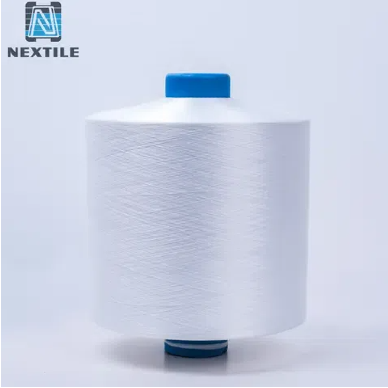
Polyester cotton-like fabrics are highly versatile, finding applications in clothing, home textiles, and technical fabrics.
In fashion and casual wear, polyester cotton-like fabrics are used to produce T-shirts, polo shirts, casual shirts, blouses, pants, and activewear. The fabric’s softness ensures comfort, while its durability maintains fit and appearance over time.
The combination of cotton-like texture and polyester resilience allows garments to be lightweight, breathable, and flexible, ideal for everyday use and physical activity. Some fabrics are also blended with spandex or elastane to provide additional stretch, further enhancing performance and comfort in fitted clothing.
Polyester cotton-like fabrics are commonly used in workwear, uniforms, and school clothing, where garments must endure repeated washing, movement, and daily wear. The fabric’s durability, wrinkle resistance, and low maintenance make it a practical solution for professional and institutional settings, ensuring that uniforms remain neat, comfortable, and long-lasting.
In the home textile sector, polyester cotton-like fabrics are used for bedding, curtains, pillowcases, upholstery, and decorative fabrics. The soft, cotton-like feel enhances comfort and aesthetic appeal, while polyester ensures that fabrics retain their shape and resist wear.
For bedding, the combination of breathability, softness, and durability creates sheets and pillowcases that are comfortable to sleep on, easy to wash, and long-lasting. Curtains and upholstery benefit from resistance to sagging, pilling, and wrinkling, maintaining a polished and elegant appearance over time.
Advanced polyester cotton-like fabrics are also applied in outdoor clothing, camping gear, and technical textiles. Fabrics engineered for moisture-wicking, UV protection, and durability provide comfortable performance in challenging conditions, while retaining the soft, cotton-like feel that enhances overall wearability.
Polyester cotton-like fabrics can contribute to more sustainable textile practices. By incorporating recycled polyester fibers or optimizing the blend to reduce cotton consumption, manufacturers can produce fabrics that require fewer resources while maintaining performance.
The longevity and durability of polyester cotton-like fabrics also support sustainable consumption, as garments and textiles last longer and require less frequent replacement. Consumers benefit from eco-conscious fabrics that reduce waste while delivering comfort, style, and functionality.
Polyester cotton-like fabrics have become a key innovation in modern textiles, offering a balance of comfort, durability, and practicality. By combining the softness and breathability of cotton with the resilience and low-maintenance properties of polyester, these fabrics meet the needs of apparel, home textiles, and technical applications.
The advantages of polyester cotton-like fabrics include softness, durability, stretch, moisture management, low maintenance, and cost-effectiveness. These properties make them suitable for everyday clothing, workwear, bedding, curtains, and outdoor fabrics, providing consumers with a high-performance, versatile, and comfortable textile solution.
As the demand for fabrics that combine comfort and performance continues to grow, polyester cotton-like fabrics will remain a popular choice for both manufacturers and consumers, offering the best of traditional cotton and modern polyester in a single material.


